Menu
Address: D-30, Sushant Lok III, Sector 57, Gurugram, Haryana 122003
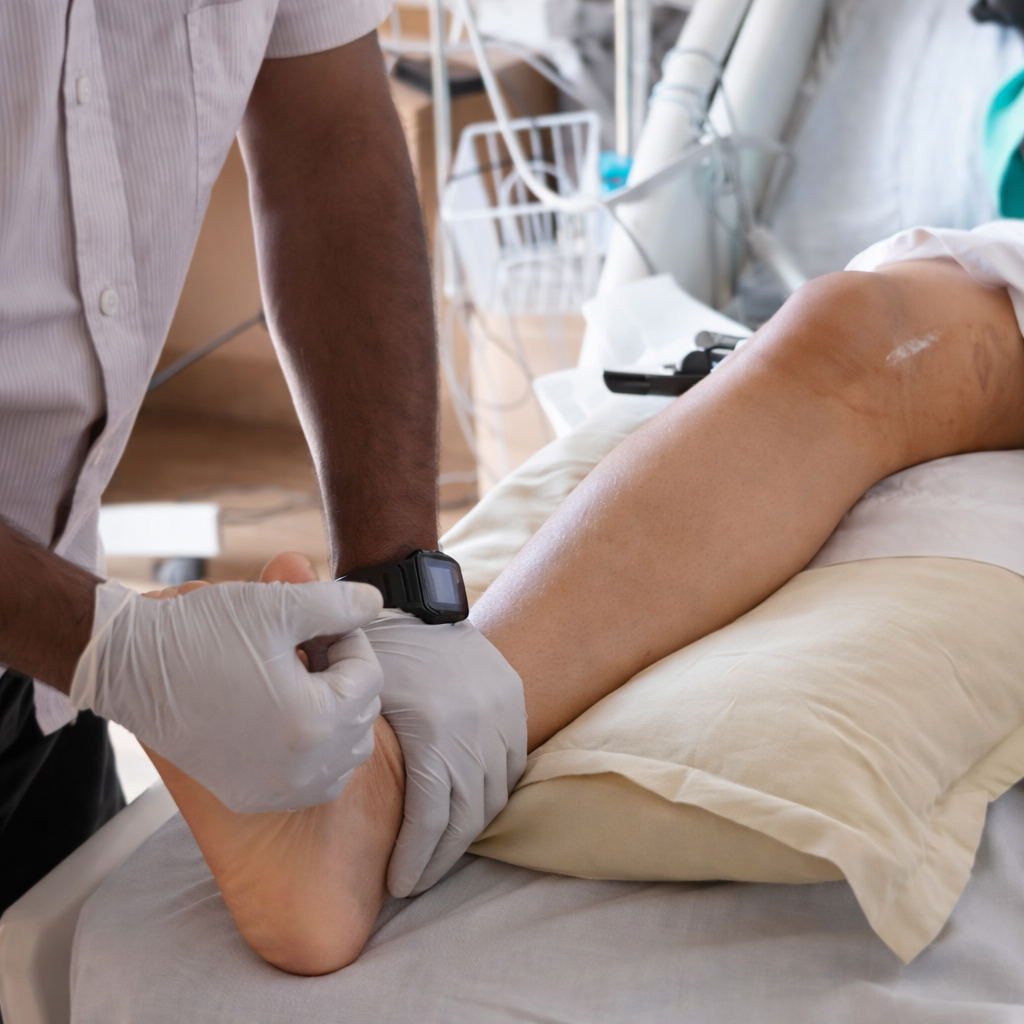
Rehabilitation is the most important phase of the limb lengthening journey. A well-planned recovery program ensures proper healing of bones, nerves, and soft tissues following surgery.
Our rehabilitation team has worked with limb lengthening patients for over a decade, providing structured and medically supervised physical therapy programs designed to support safe recovery and long-term mobility.
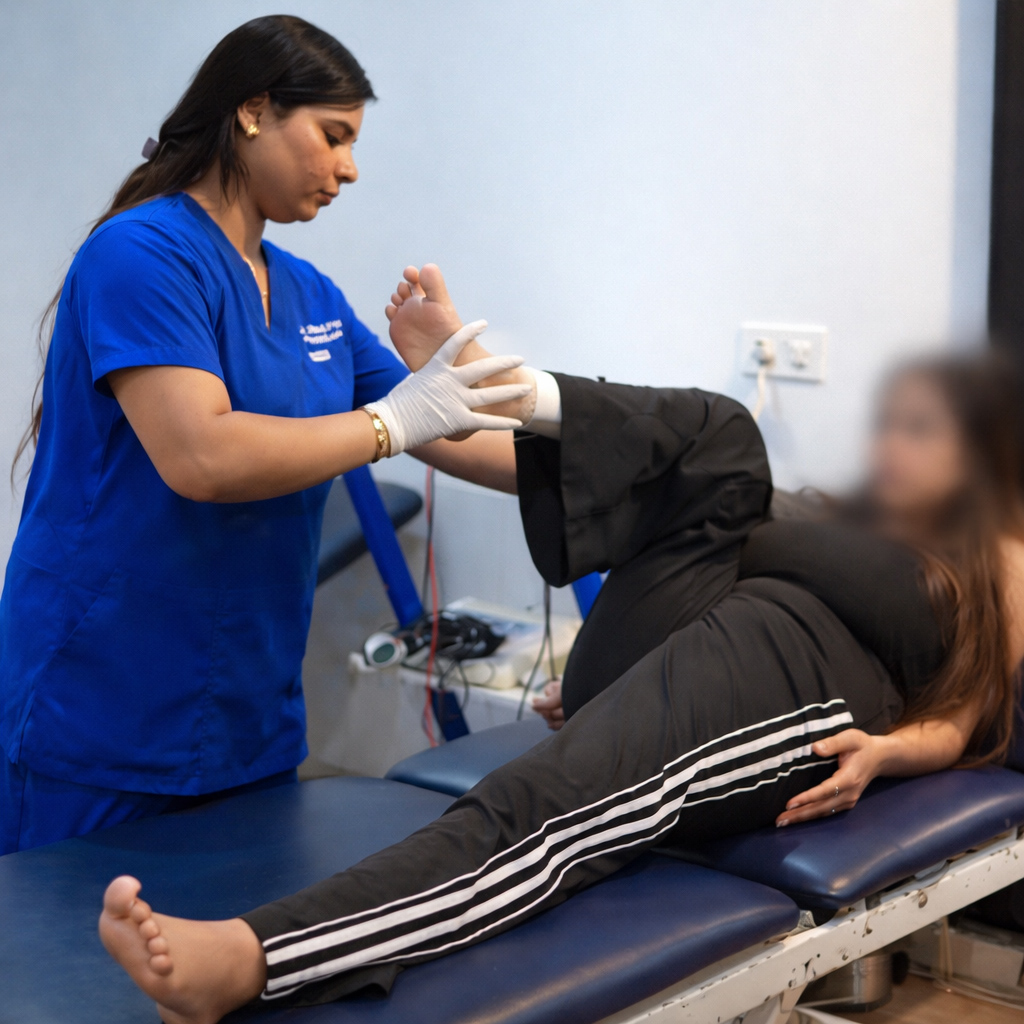
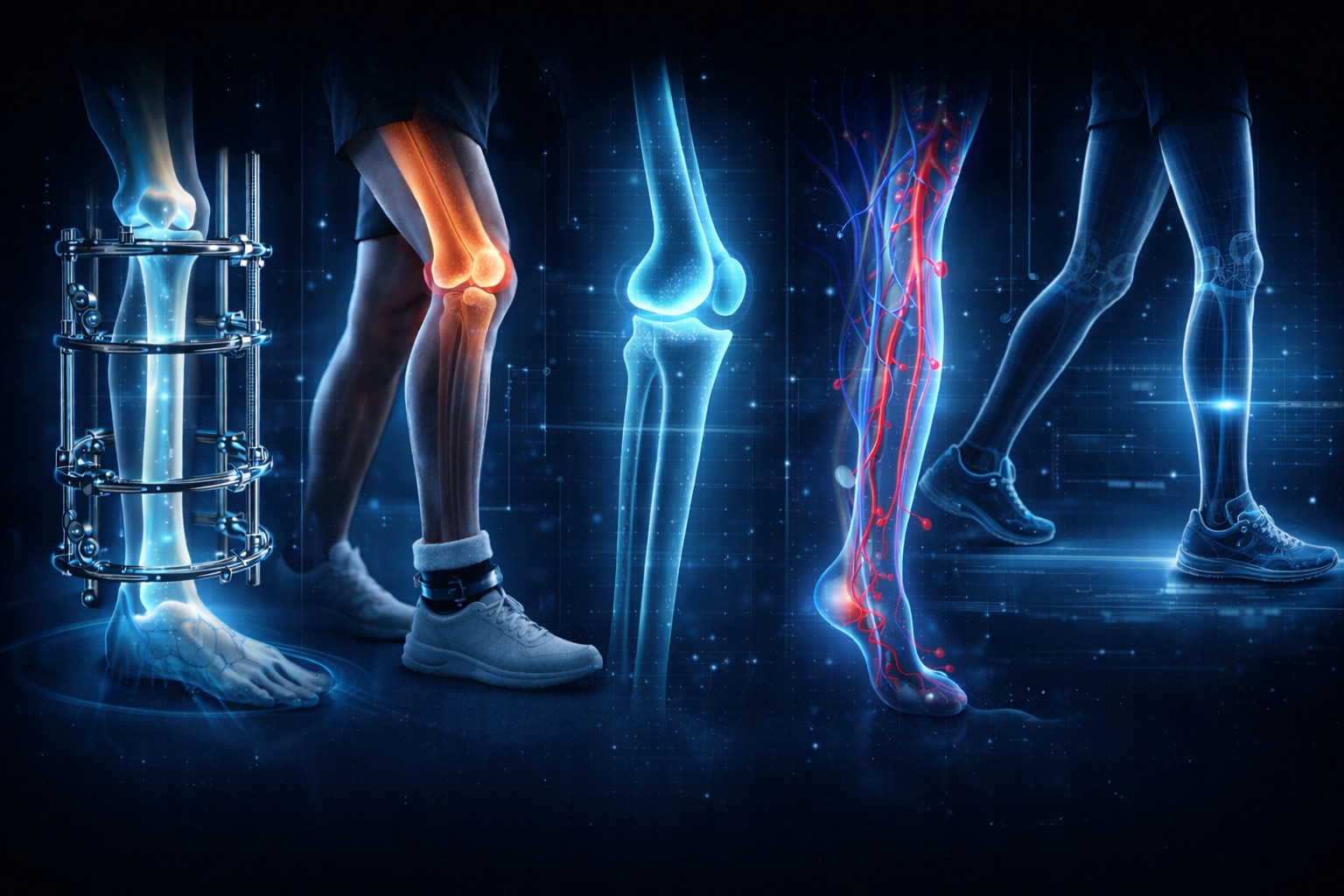
Rehabilitation plays a central role in restoring movement, strength, and joint function after limb lengthening surgery. A structured physical therapy program ensures that the body adapts safely to the lengthening process while maintaining proper biomechanics.
Without disciplined rehabilitation, recovery outcomes may be compromised and complications may arise during the healing process.
During the lengthening process, the body must adapt to gradual bone extension and soft tissue stretching. Some patients may experience temporary physical challenges that require careful rehabilitation and structured physiotherapy.
Temporary difficulty in walking and maintaining normal movement patterns during the lengthening phase.
Also known as “Ballerina Foot,” this occurs when tight calf muscles limit ankle flexibility.
Muscle tightness around joints can restrict full extension of the knee or hip during recovery.
Reduced weight-bearing and limited activity may lead to temporary muscle weakening.
These conditions can alter lower-limb biomechanics and may lead to long-term complications if not addressed early through structured rehabilitation and medical supervision.
Our rehabilitation program is designed to support safe healing and progressive mobility through medically guided exercises and structured physiotherapy.
Each recovery plan is tailored to the patient’s stage of treatment, ensuring gradual improvement in strength, flexibility, and joint function.
Over the past 11 years, no major deformity has been reported among patients following our structured rehabilitation supervision.
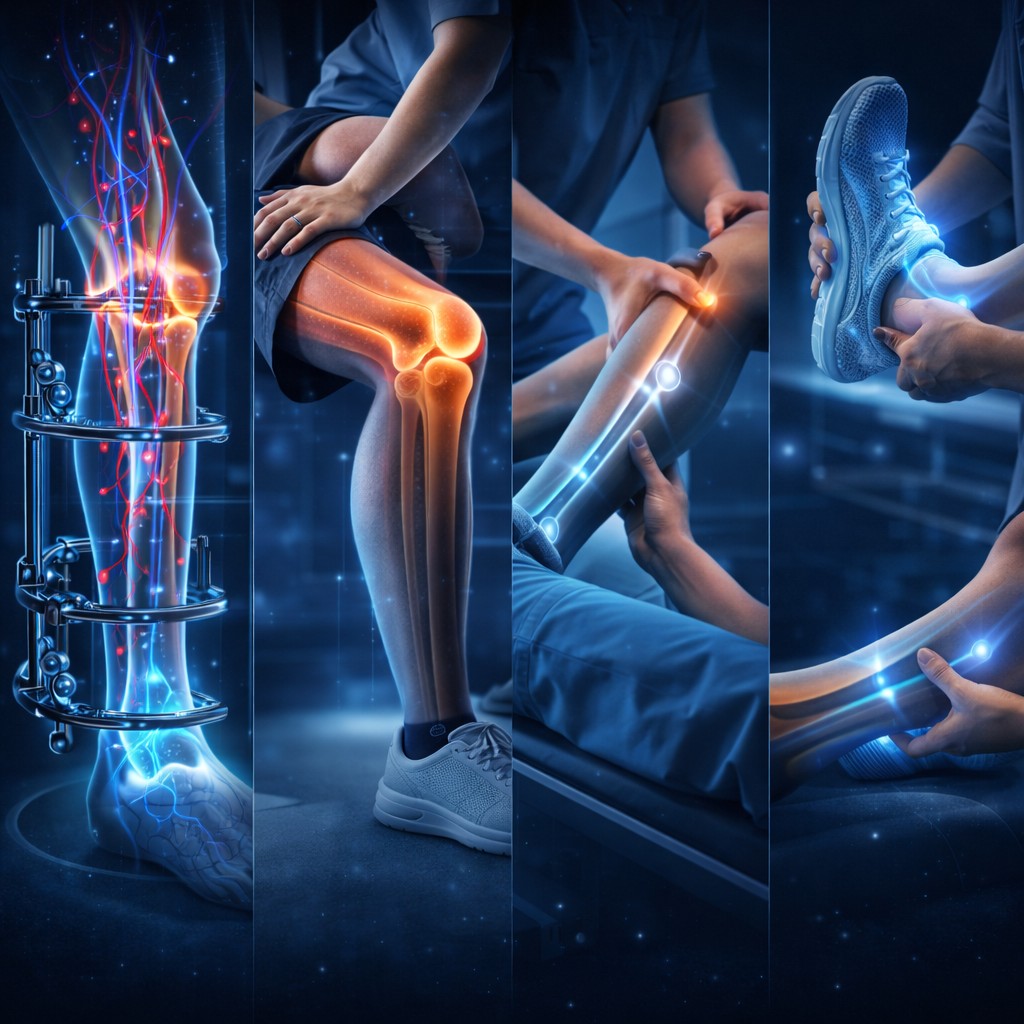
Limb lengthening surgery is only one phase of the treatment journey. Recovery continues for several months and in many cases up to a year, depending on each patient’s healing progress and rehabilitation consistency.
Successful recovery depends on disciplined rehabilitation practices and careful monitoring of muscle strength, circulation, and joint mobility.
Rehabilitation is a gradual and disciplined process. Consistency and commitment play a major role in achieving optimal recovery outcomes.
Rehabilitation during the lengthening phase focuses on maintaining muscle strength, joint flexibility, and circulation while the bone gradually regenerates and adapts.
Gentle mobility and muscle activation
Progression toward strength and stability
Improving standing tolerance
As bone consolidation progresses, rehabilitation gradually shifts toward restoring normal walking mechanics and rebuilding muscle balance. At this stage, the focus is on regaining strength, stability, and confidence in everyday movement.
All exercises are guided and monitored according to each patient’s individual recovery progress and medical supervision.