
Menu
Address: D-30, Sushant Lok III, Sector 57, Gurugram, Haryana 122003
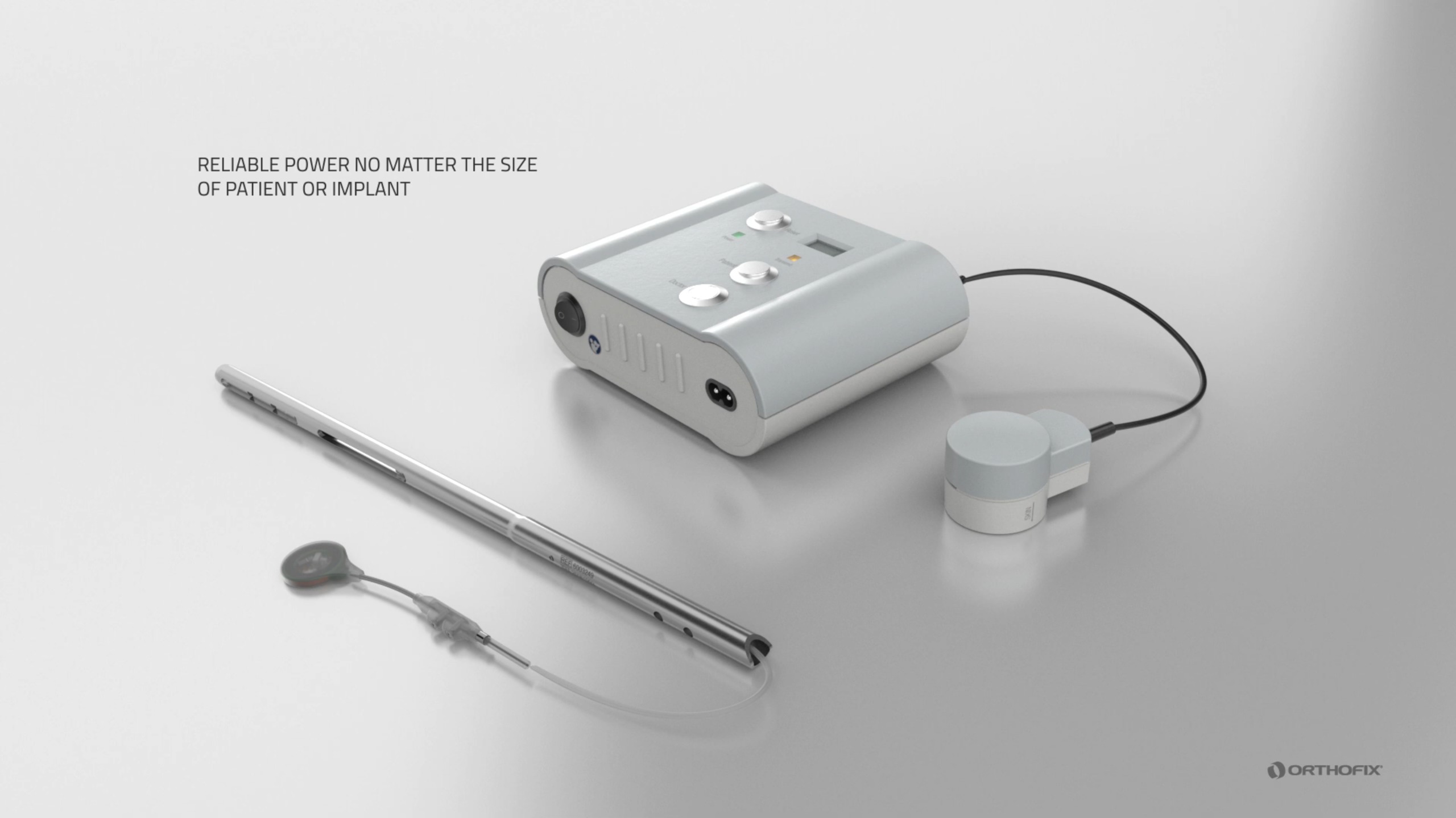
Fitbone™ is a fully internal, motorized limb lengthening system developed in Germany. Unlike traditional external frames, this advanced intramedullary technology operates inside the bone with a receiver beneath the skin. It avoids an external frame but still requires surgery, rehabilitation and restricted loading.
Height Increase Info (HII) provides information and rehabilitation coordination. A treating orthopedic surgeon must assess whether Fitbone is suitable and confirm the exact implant, availability and instructions for use.
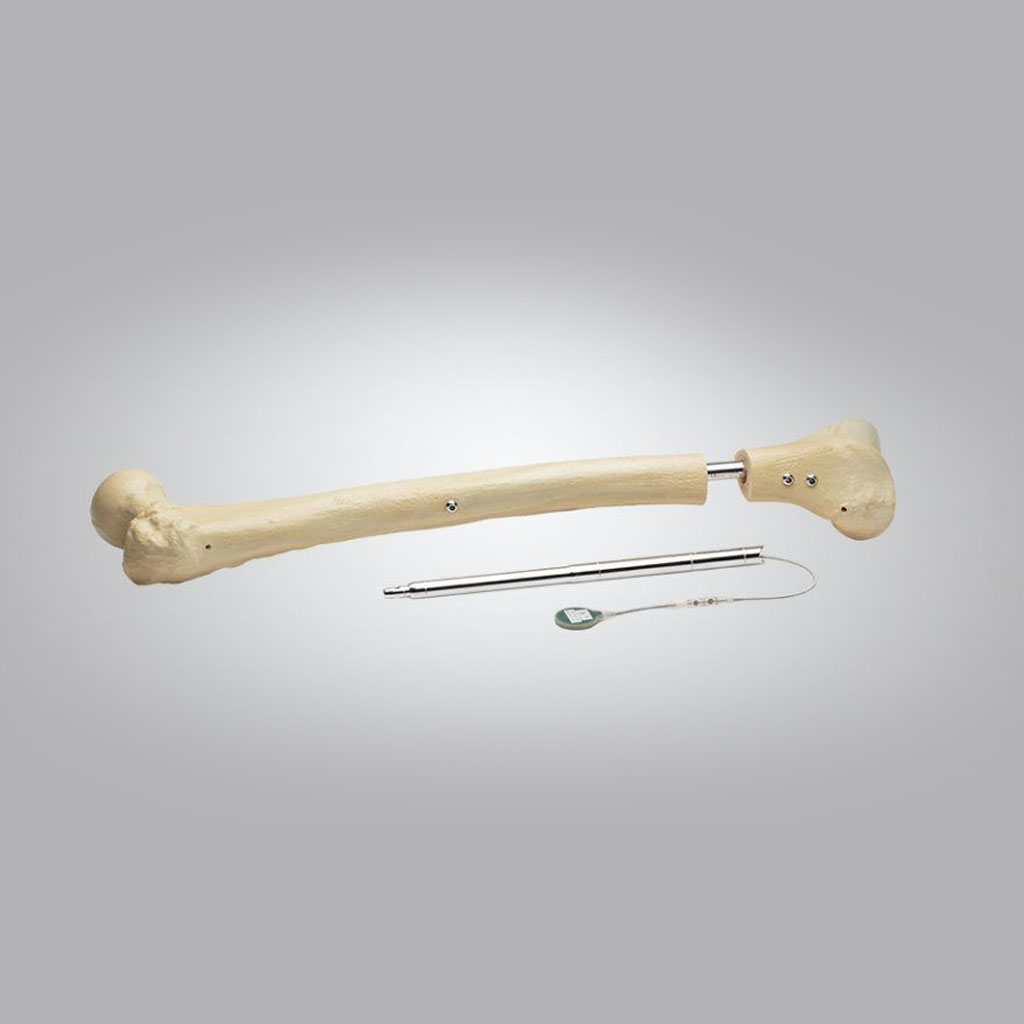
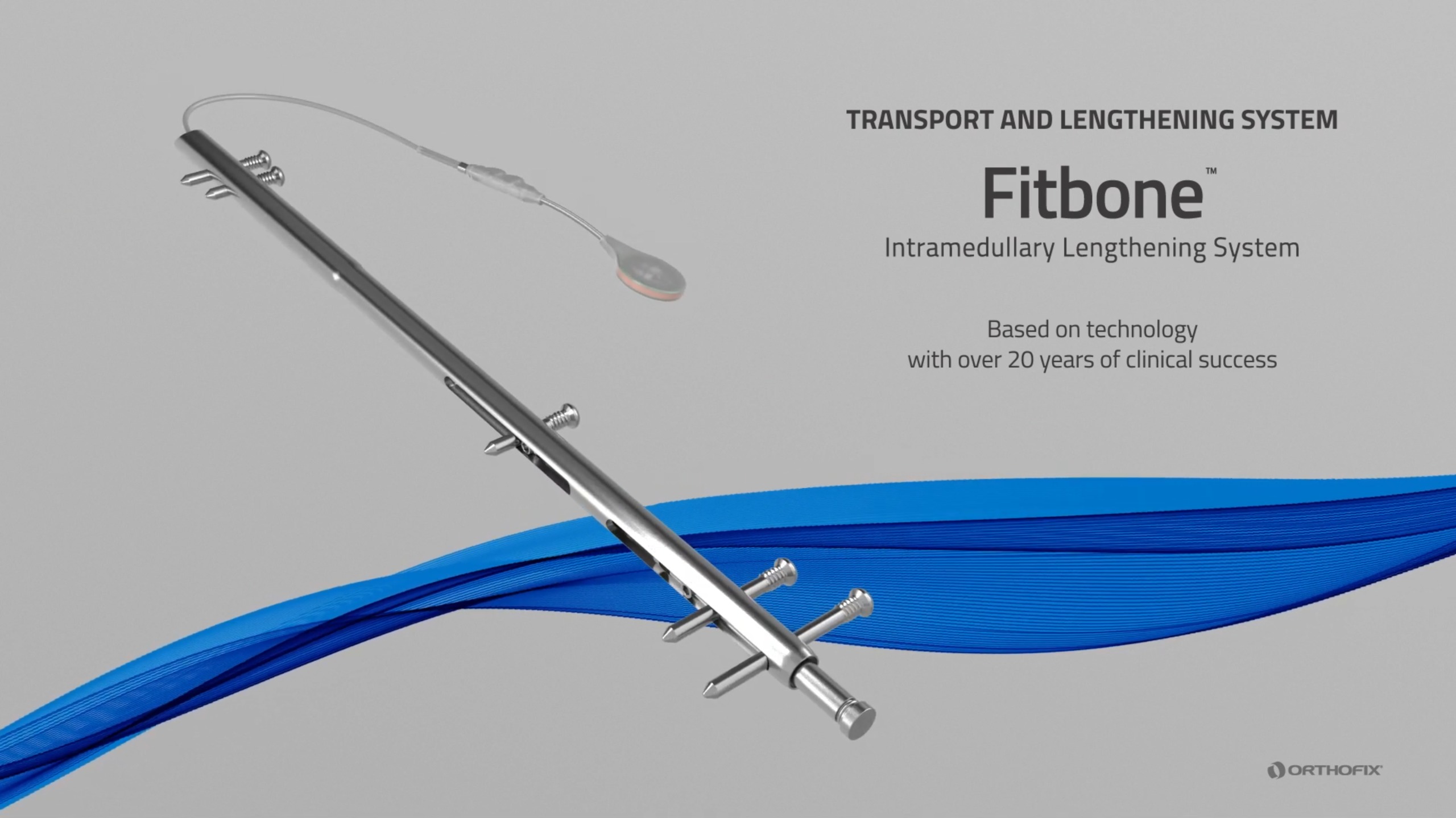
The Fitbone nail is implanted inside the bone under general anesthesia. A small receiver is placed beneath the skin and connected to the nail. The procedure typically takes 1.5 to 2 hours.
Hospital stay and the start of assisted standing or walking depend on the procedure and clinical assessment. Use crutches or a walker only as instructed and observe prescribed loading limits.
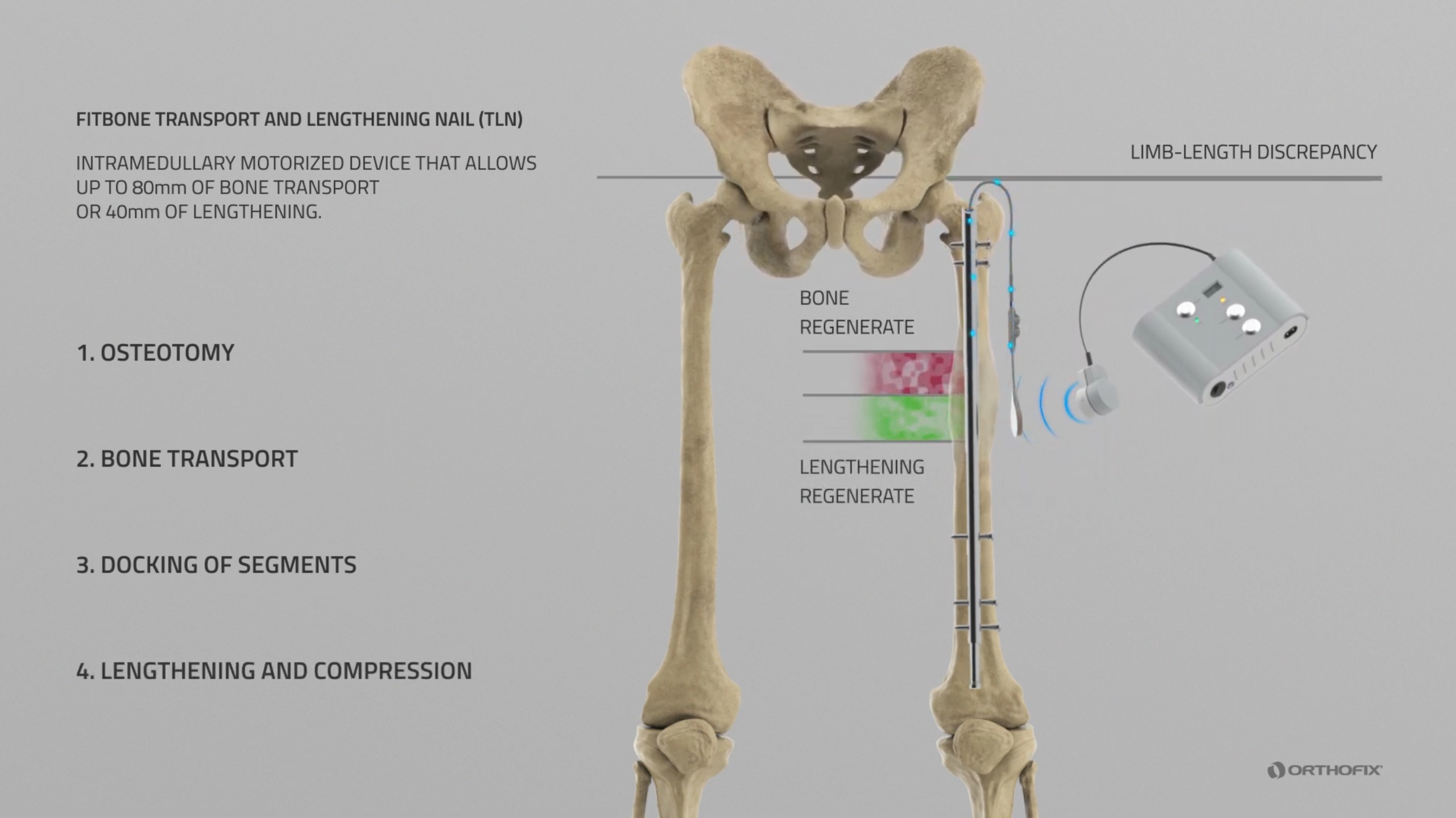
Lengthening begins after the postoperative interval prescribed by the surgeon. Patients use a handheld external transmitter placed over the skin receiver.
Distraction is often planned around 1 mm per day, but the surgeon may adjust or pause it. This describes movement of bone segments, not a guaranteed rate of healed bone formation; consolidation takes additional time.
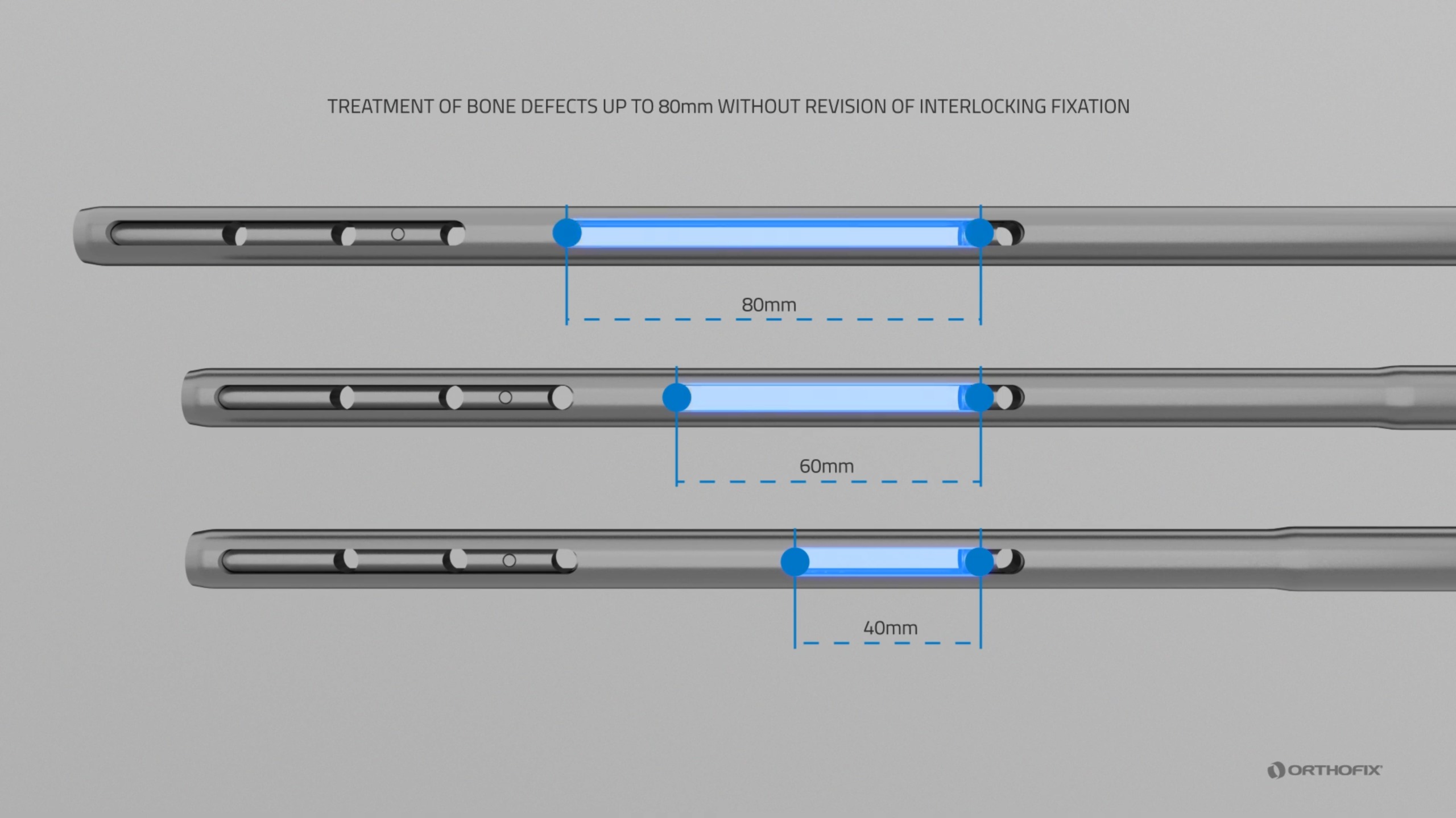
As the nail gradually expands, new bone tissue forms in the created gap. Once the target height is achieved, distraction stops and the consolidation phase begins, allowing the bone to harden and stabilize.
Healing progress is carefully monitored through regular X-ray imaging.
Daily physiotherapy is essential during treatment. Stretching and strengthening exercises help prevent stiffness, maintain joint mobility, and allow muscles to adapt to the new bone length.
Rehabilitation continues throughout both distraction and consolidation phases.
An internal lengthening option with device-specific requirements, risks and rehabilitation needs.
No external frame pin sites, but wound and deep infection are still possible.
Incisions leave scars; their appearance and healing vary.
Assisted walking begins only when cleared by the treating team.
Motorized control supports prescribed distraction; healing and final results vary.
Adjustment options depend on the exact implant and control system; changes require surgeon direction.
Without an external frame, daily activities still require planning around pain, mobility and loading limits.
Femoral target set after assessment
Tibial target set after assessment
The achievable increase depends on bone anatomy, muscle flexibility, nerve tolerance, and overall adaptation during the lengthening process.
No external fixator pin sites; wound and deep infection remain possible.
Scars remain possible and cosmetic results differ between patients.
The start of assisted walking depends on clinical assessment and implant-specific limits.
Motorized nail allows controlled and reliable distraction.
Confirm any shortening or retraction capability for the exact model with the treating surgeon.
As with any surgical procedure, limb lengthening carries potential risks. These are managed through detailed planning and structured follow-up.
Fitbone may be considered for selected patients who meet the requirements for an internal lengthening nail. Avoiding an external frame does not guarantee comfort, independence or a shorter recovery. Candidates must be medically suitable and committed to daily physiotherapy, follow-ups, and structured rehabilitation.