
Menu
Address: D-30, Sushant Lok III, Sector 57, Gurugram, Haryana 122003
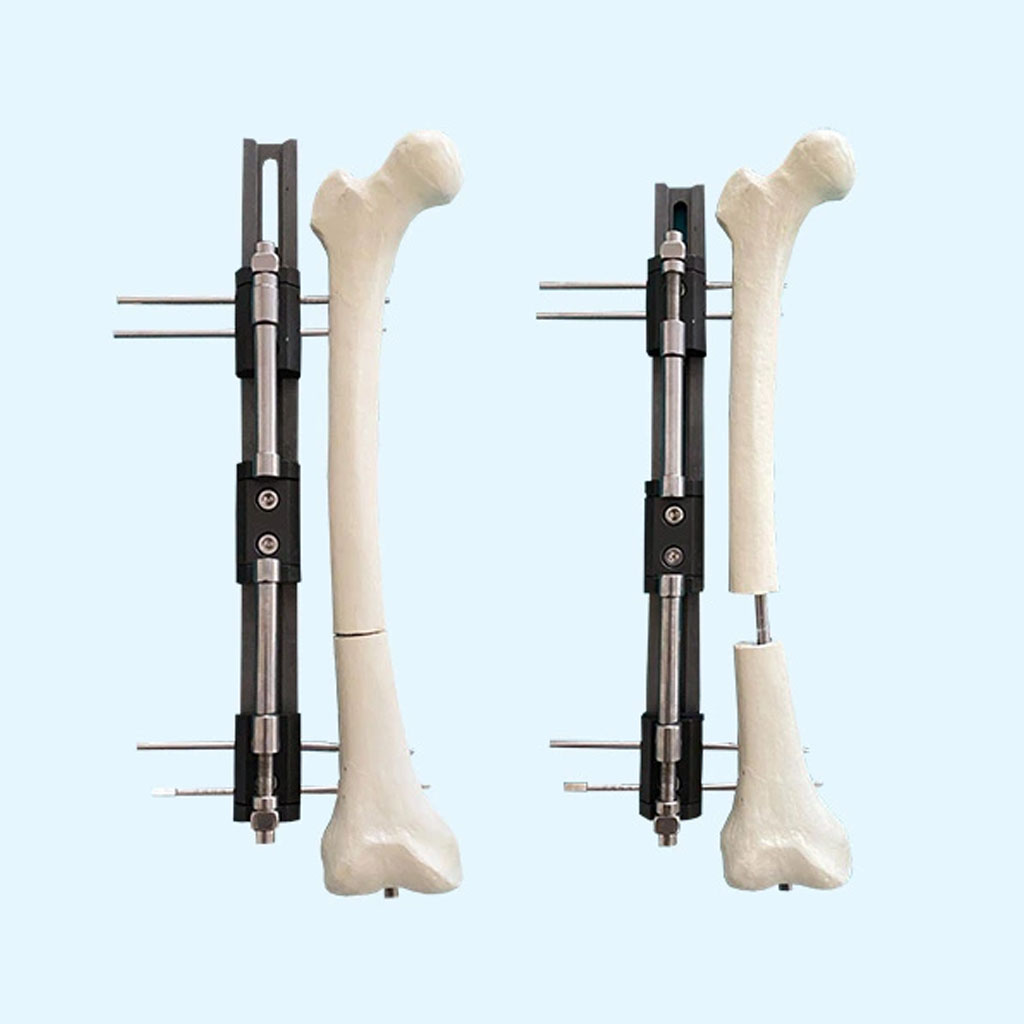
Lengthening And Then Nailing (LATN) is an advanced limb lengthening technique introduced to reduce the total duration of external fixation. It combines gradual distraction using an external fixator with internal intramedullary stabilization after the lengthening phase.
Height Increase Info (HII) supports LATN consultation coordination and rehabilitation. Surgery requires orthopedic assessment and staged follow-up. Timing of the transition from external fixation to internal support depends on the individual treatment plan.
Traditional external fixation methods require the frame to remain in place during both distraction and consolidation phases. Prolonged frame duration may increase:
LATN was developed to minimize these concerns by:
A controlled osteotomy is performed and an external fixator is applied. Pins and wires are placed strategically to allow future intramedullary nailing.
Gradual bone distraction is carried out at approximately 1 mm per day until the desired length is achieved.
After completing distraction, the external frame is removed and a large-diameter, statically locked intramedullary nail is inserted.
Reaming through the regenerate bone is suggested to enhance and accelerate bone healing during consolidation.
Intramedullary nail provides internal structural support during consolidation.
Reduces risk of axial deviation after frame removal.
Enhances bone healing through reaming of regenerate.
Maintains alignment and mechanical stability long term.
Weight bearing during consolidation must follow the treating surgeon's prescribed limits.
Crutches or walkers assist in maintaining balance and mobility.
Follow-up imaging assesses bone consolidation and alignment; delayed healing can still occur.
Structured physiotherapy supports muscle recovery and joint mobility.
Gradual progression to full weight bearing as bone healing progresses.
At HII, recovery planning is individualized to support prescribed mobilization, optimal bone consolidation, and long-term limb alignment.