
Menu
Address: D-30, Sushant Lok III, Sector 57, Gurugram, Haryana 122003
Cross lengthening, quadrilateral lengthening, and sequential limb lengthening are advanced multi-stage strategies designed to achieve maximum height increase by combining femoral and tibial lengthening in a structured treatment plan.
Unlike single-segment procedures, these approaches focus on balanced body proportions, controlled bone regeneration, and staged surgical planning to safely achieve greater overall height gain with long-term stability.
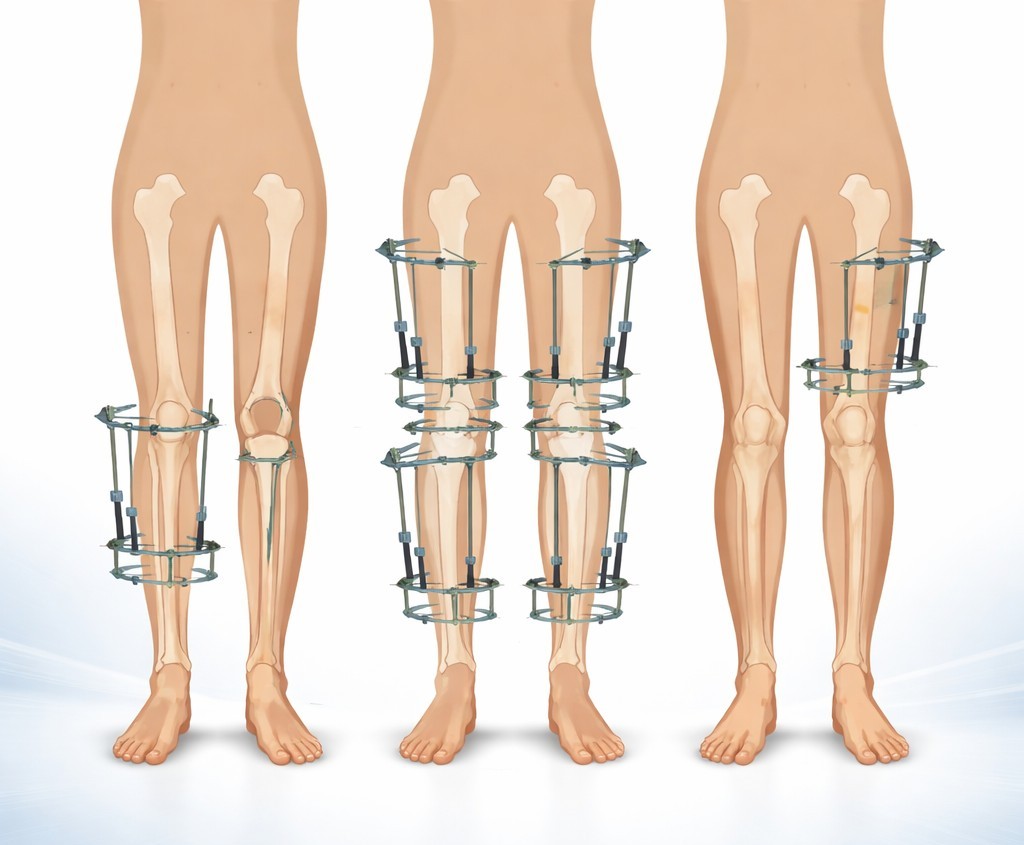
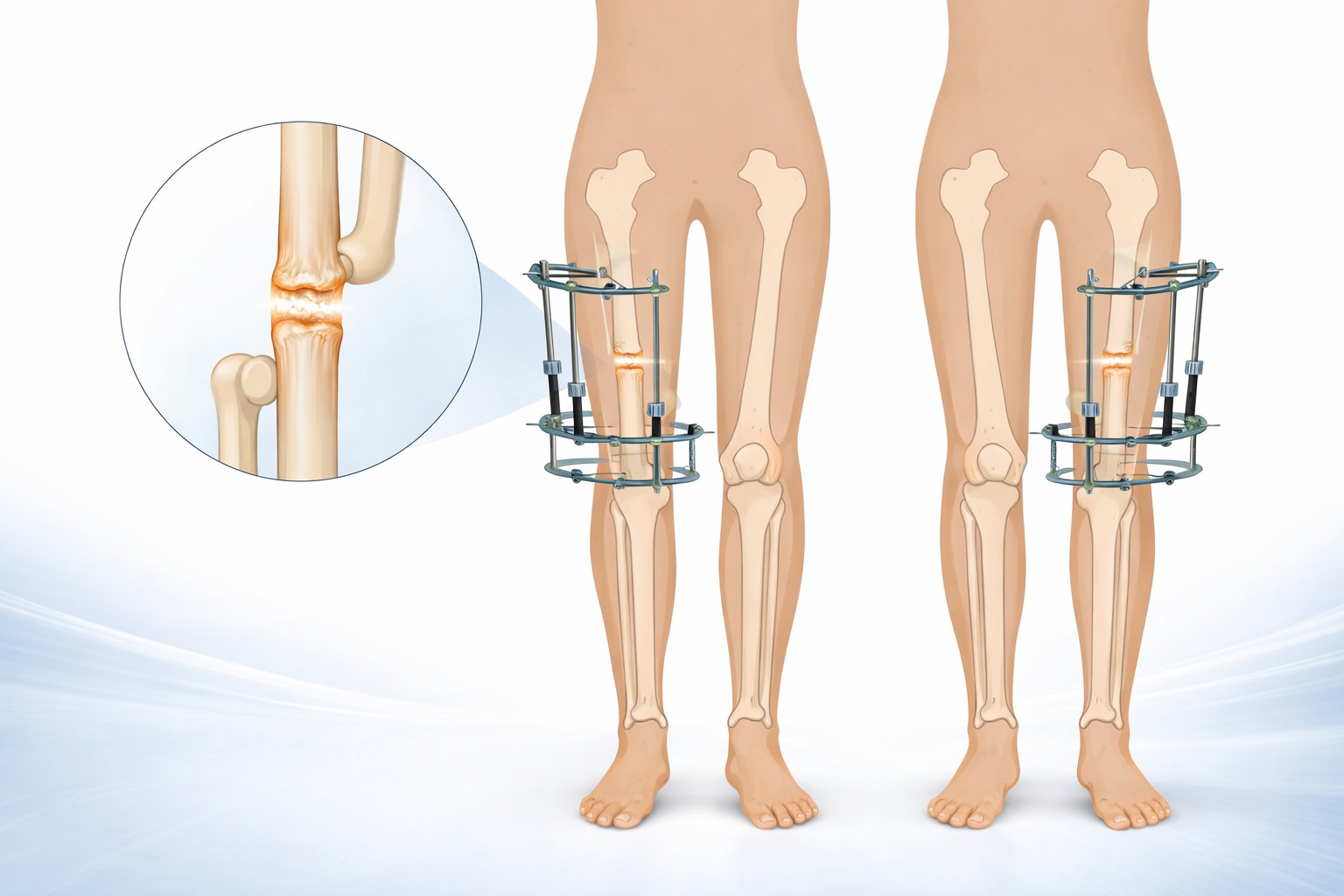
The first stage focuses on femoral lengthening. A controlled osteotomy is performed, followed by gradual distraction at approximately 1 mm per day to stimulate new bone formation.
This stage typically allows significant height gain while maintaining structural alignment and muscle adaptation.
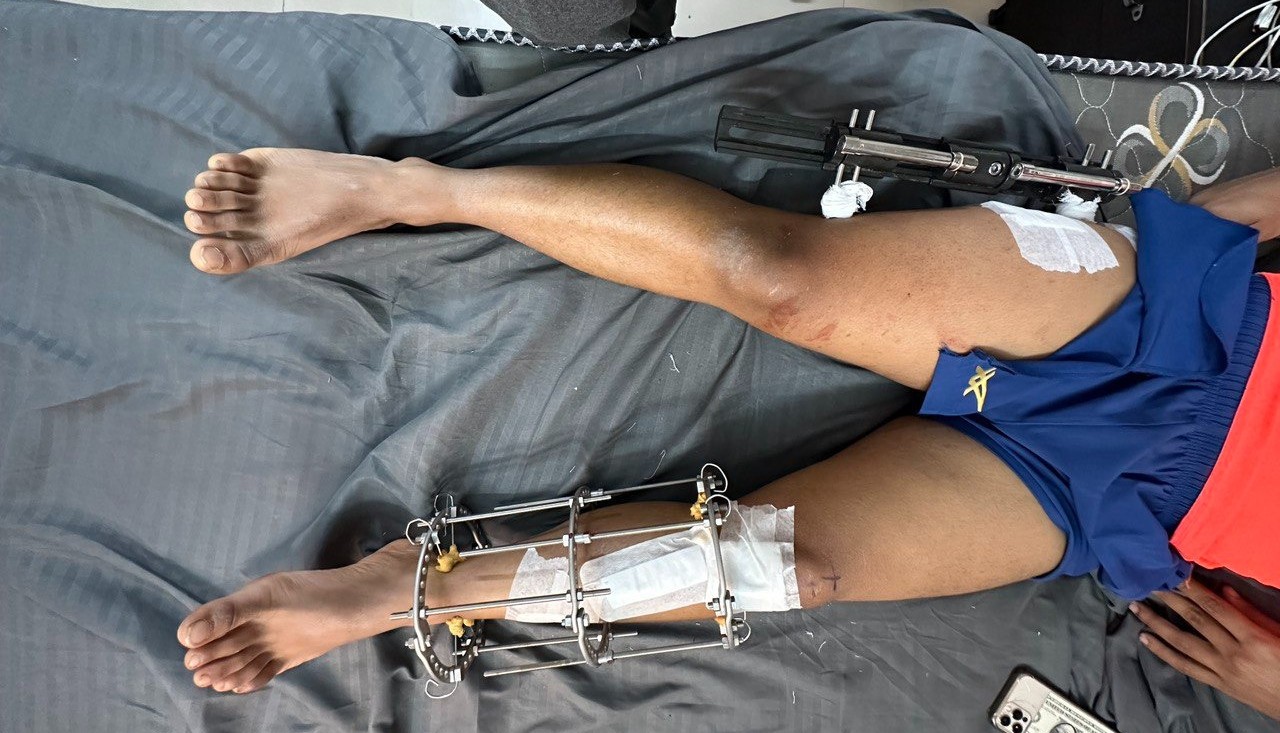
After achieving the desired length, the bone enters the consolidation phase where new bone hardens and stabilizes. Physiotherapy plays a key role in restoring mobility and maintaining joint flexibility.
This stage ensures safe progression before moving to the next lengthening phase.
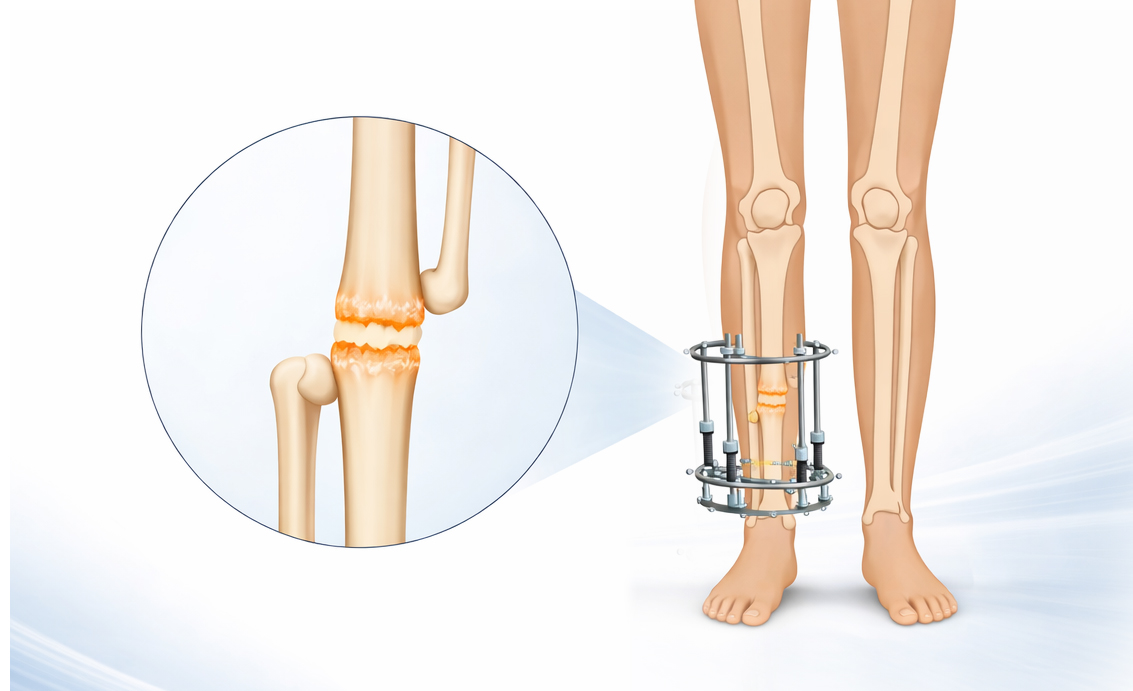
The second stage involves tibial lengthening to further increase height and improve body proportions. The same controlled distraction process is followed for safe and gradual bone regeneration.
This stage enhances total height gain while maintaining biomechanical balance.
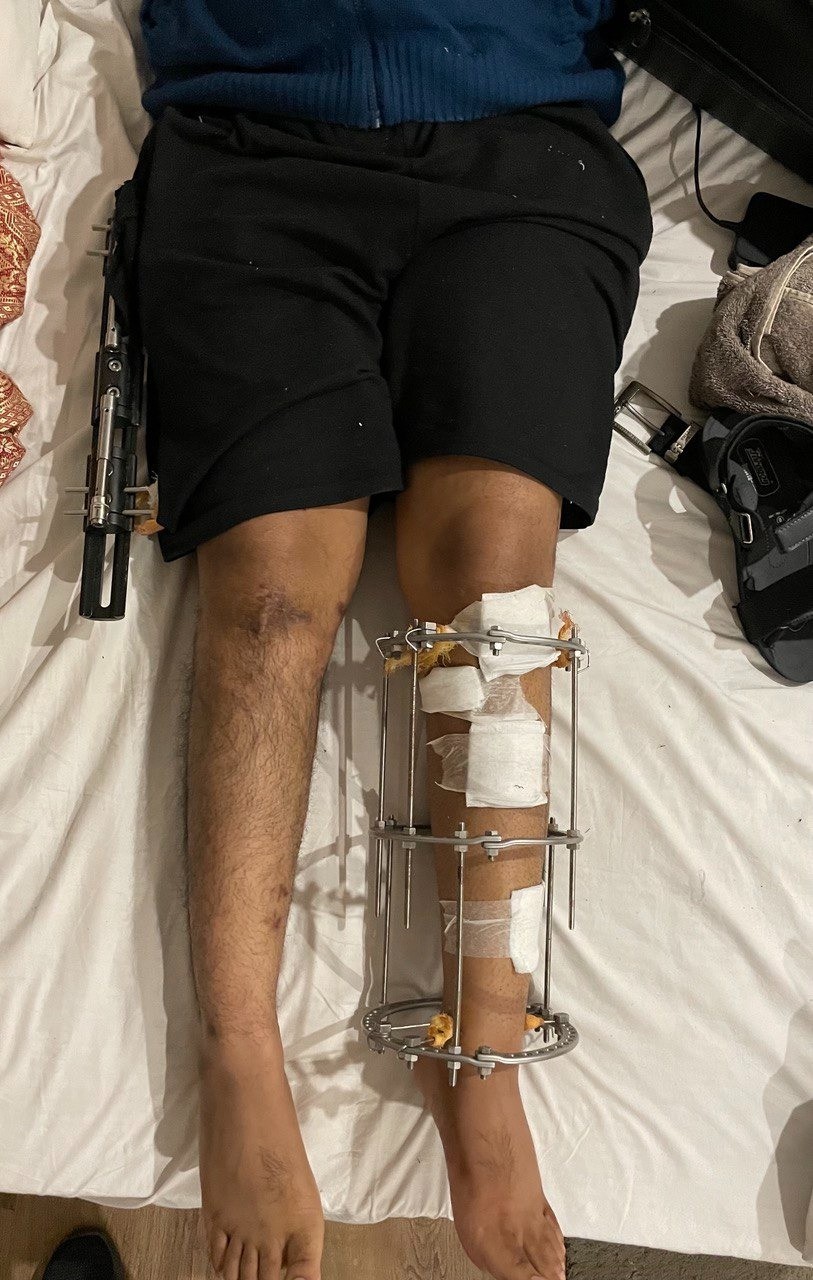
The final phase focuses on strengthening, balance, and restoring normal walking mechanics. Structured rehabilitation ensures muscles, joints, and nerves adapt safely to the new height.
Full recovery may take several months depending on the total lengthening achieved.
Advanced multi-stage strategies provide higher height gain, improved body proportions, and safer load distribution compared to single-segment lengthening.
Allows combined femur and tibia lengthening to achieve significantly greater total height increase.
Maintains natural limb proportions by distributing lengthening across multiple segments.
Staged procedures reduce stress on muscles, nerves, and joints compared to single large corrections.
Spreads mechanical load across both femur and tibia, improving long-term stability.
Sequential approach allows recovery and adaptation between stages for better outcomes.
Greater height gain combined with proportion balance leads to improved overall appearance and confidence.
(Single Stage)
(Second Stage)
(Multi-Stage Result)
Total achievable height depends on bone quality, muscle flexibility, nerve tolerance, and adherence to rehabilitation protocols. Multi-stage lengthening allows gradual and safer height increase while maintaining proper body proportions.
Multi-stage limb lengthening requires careful medical evaluation and a strong commitment to rehabilitation. A personalized consultation helps determine the safest and most effective treatment plan based on individual goals and anatomy.