
Menu

Cross / Quadrilateral / Sequential Lengthening

Advanced Multi-Stage Limb Lengthening

Cross / Quadrilateral / Sequential Lengthening

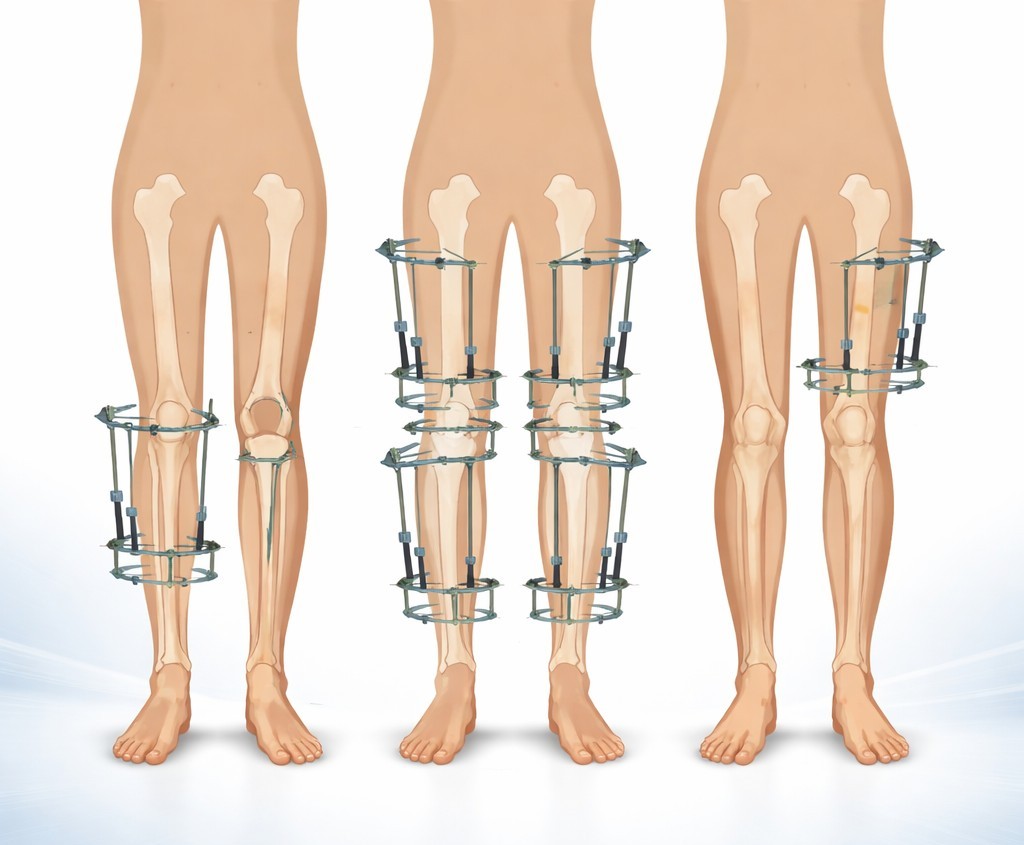
Cross lengthening, quadrilateral lengthening, and sequential limb lengthening are advanced multi-stage strategies designed to achieve maximum height gain by combining femur and tibia lengthening in a structured, medically optimized plan.

Unlike conventional approaches, these techniques focus on balanced biomechanics, staged surgical execution, and controlled regeneration, allowing higher height gain with better mobility, safety, and long-term stability.
Advanced Multi-Stage Limb Lengthening
Procedure Overview

How Multi-Stage Lengthening Works

Cross Lengthening Stage 1
01

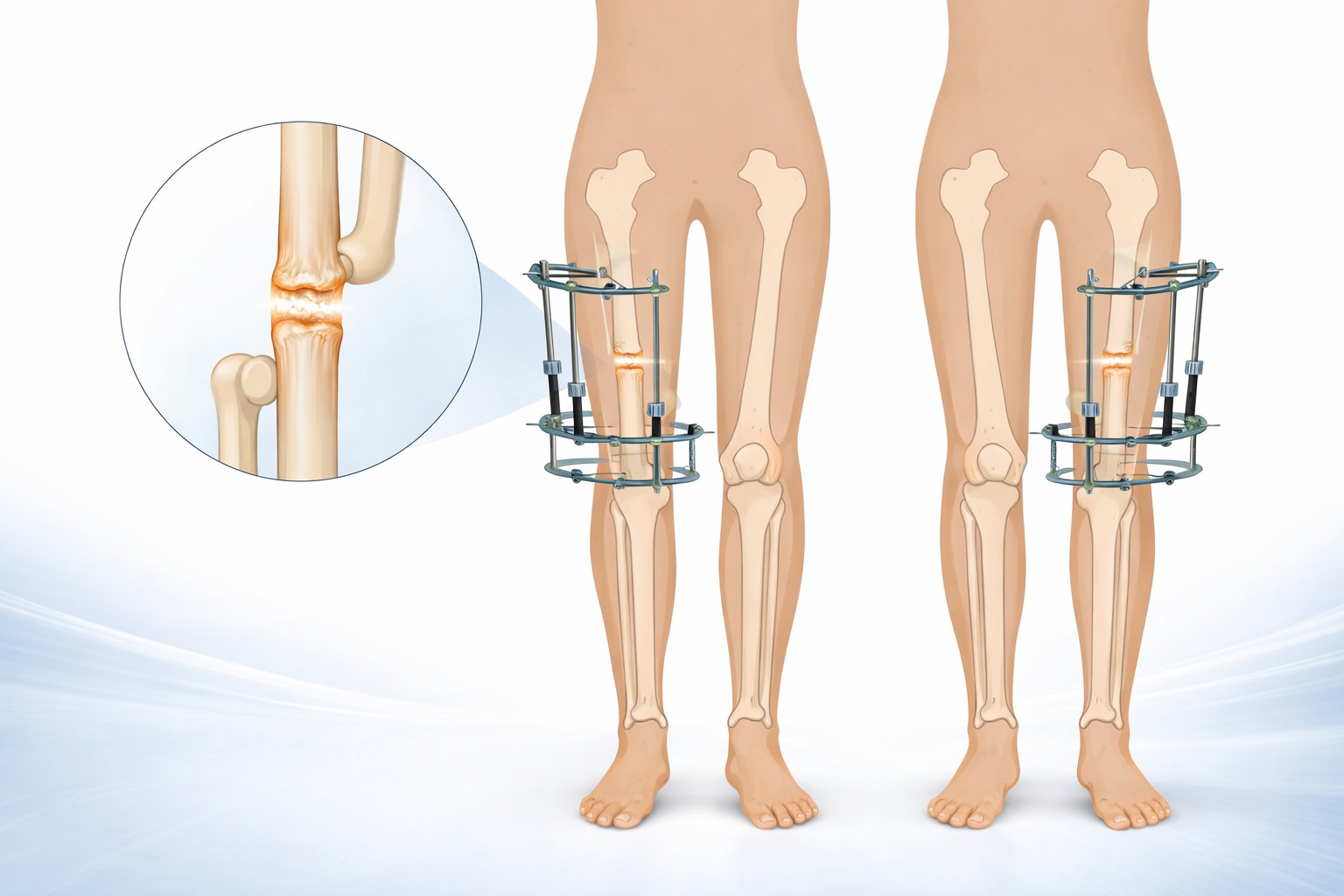
Stage 1: Cross Lengthening (Contralateral Segments)

The first stage involves simultaneous lengthening of opposite segments, such as:

  • Right Femur + Left Tibia

A controlled osteotomy is performed in both segments, followed by gradual distraction (~1 mm/day).

This unique cross-pattern allows:
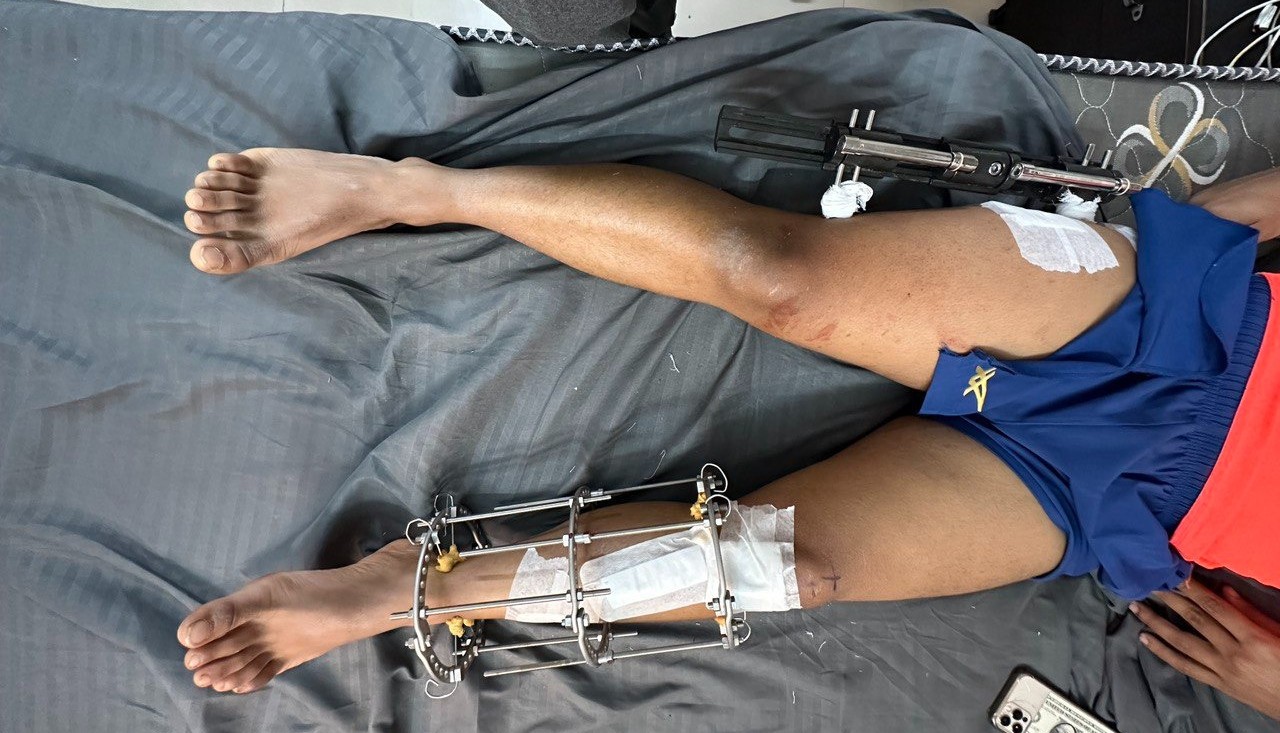
  • Better weight distribution
  • Improved mobility during treatment
  • Reduced overload on a single limb
Consolidation and Frame Removal
02

Consolidation & Frame Removal

After achieving the planned height gain:
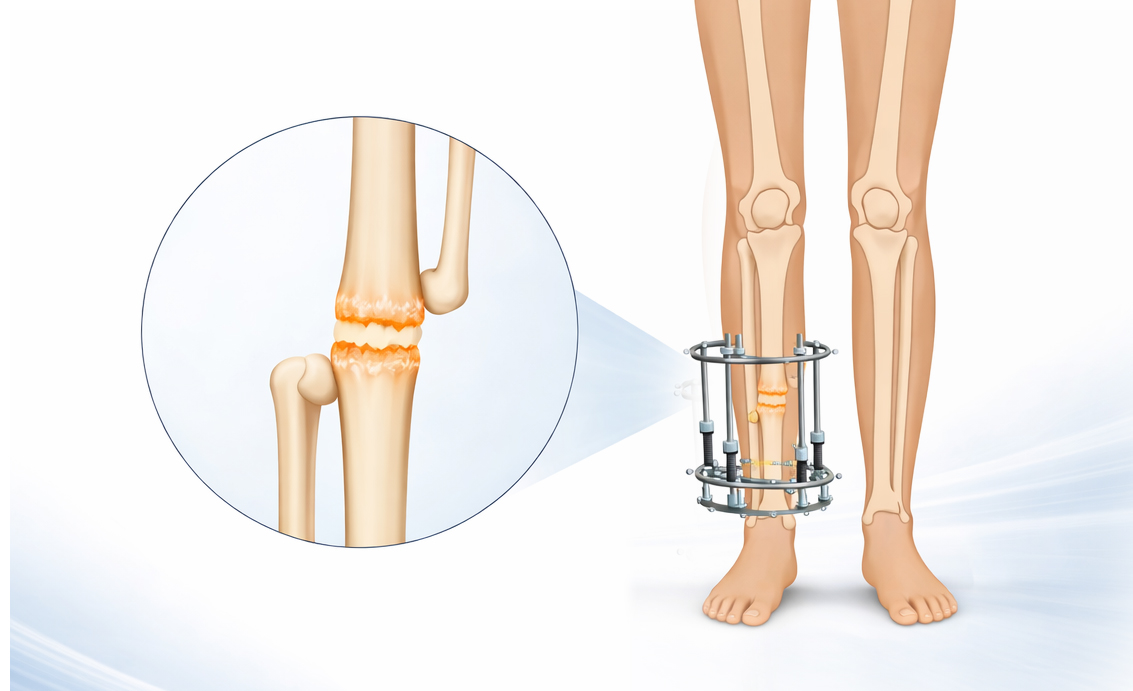
  • Bone consolidation phase begins
  • External frames / devices are removed
  • Intensive physiotherapy restores mobility and joint function
Recovery Gap Phase
03

Recovery Gap (Critical Phase)

A ~3–4 week recovery period is provided:

  • Soft tissue relaxation
  • Strength recovery
  • Improved joint range of motion

This phase is essential for preparing the body for the second stage safely.
Opposite Cross Lengthening
04

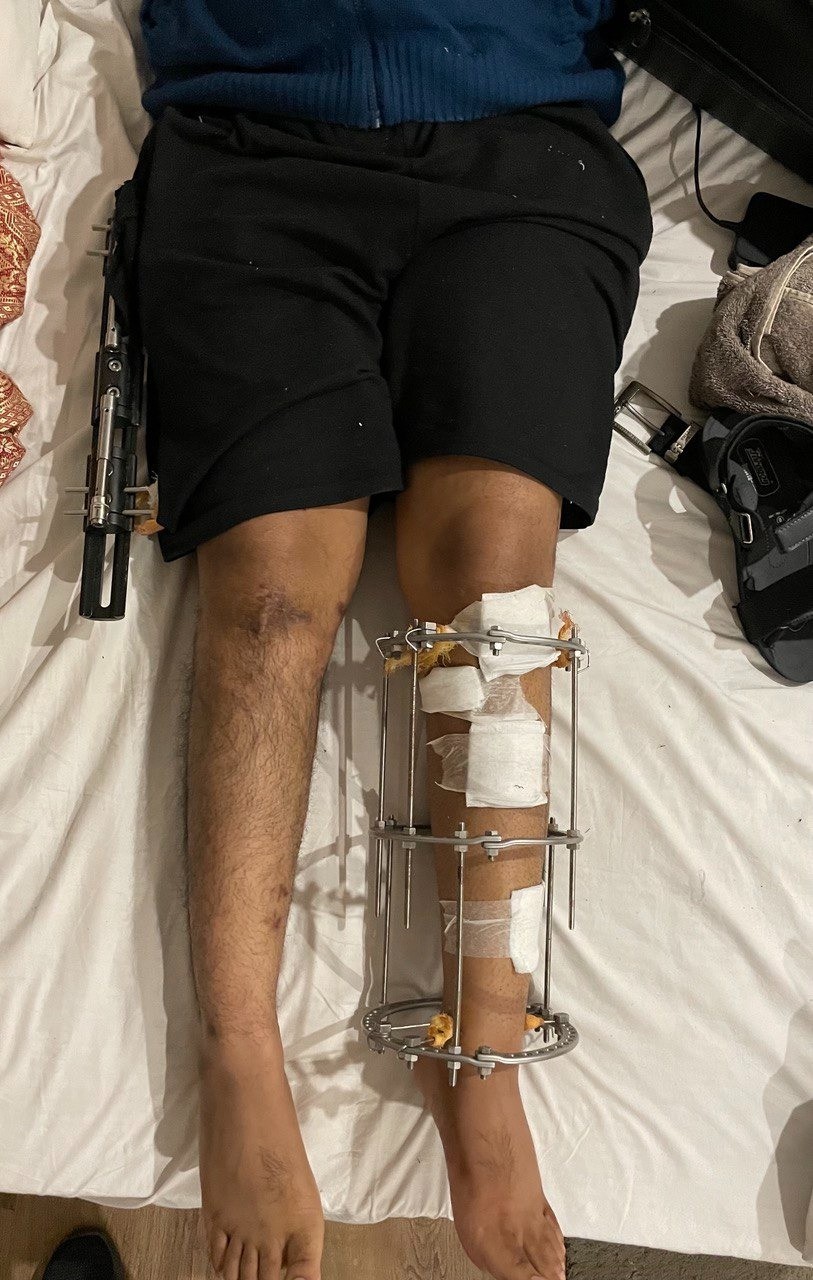
Stage 2: Opposite Cross Lengthening

The remaining segments are lengthened:

  • Left Femur + Right Tibia

The same controlled distraction process is followed, completing full bilateral limb lengthening in a balanced manner.
Final Recovery and Rehabilitation
05

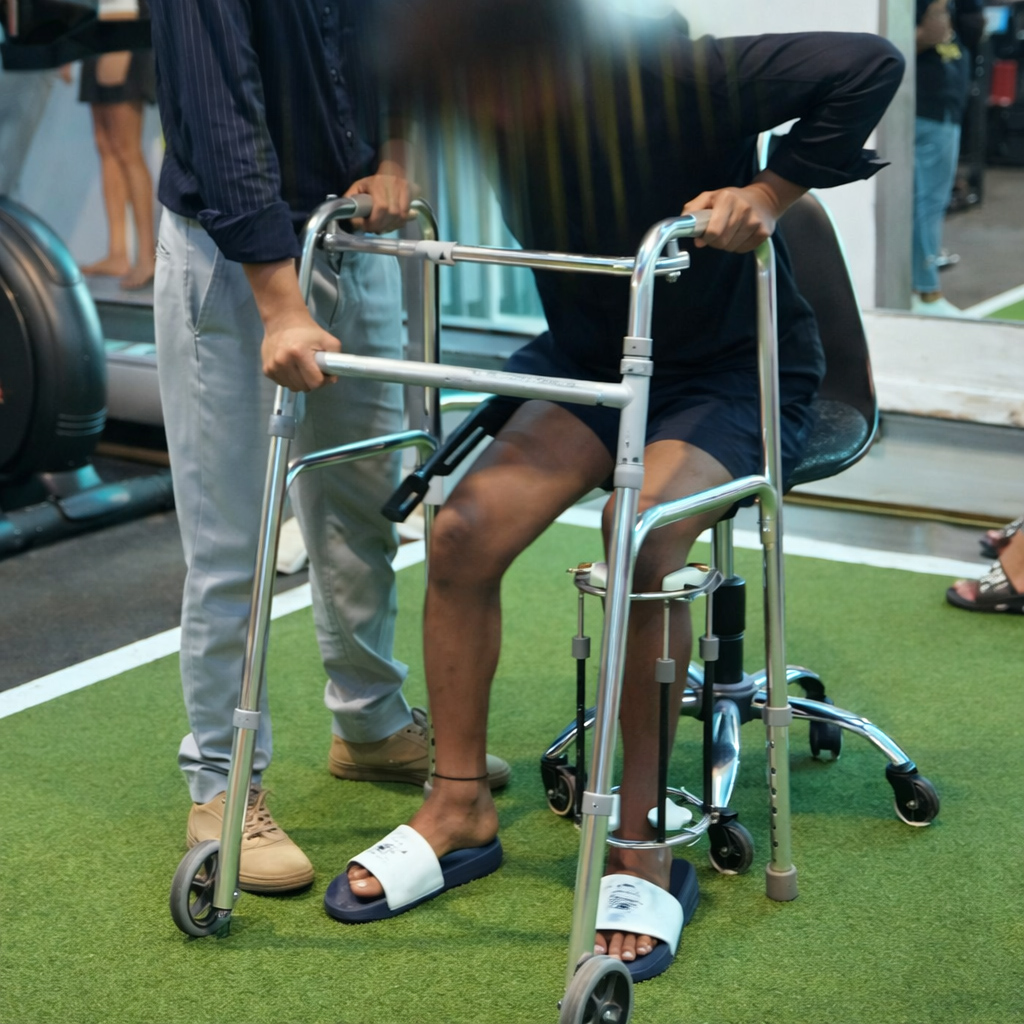
Final Recovery & Rehabilitation

The final phase focuses on:

  • Strength rebuilding
  • Gait correction
  • Neuromuscular adaptation

Structured rehabilitation ensures safe transition to normal walking and long-term stability.

Understanding the Techniques

Cross vs Quadrilateral vs Sequential

Cross Lengthening (Most Advanced)
  • Opposite segments lengthened in each stage
  • Best mobility + balance during treatment
  • Preferred for higher safety and functional recovery
Quadrilateral Lengthening
  • Involves all four segments (femur + tibia)
  • Can be done in stages or combined protocols
  • Used for maximum height gain cases
Sequential Lengthening
  • One segment at a time (Femur → Tibia or vice versa)
  • Simpler but longer total duration
  • Lower functional efficiency compared to cross method
Advantages

Why Choose Multi-Stage Lengthening?

Maximum Height Gain

Enables combined femur and tibia lengthening for significantly greater total height increase.

Balanced Body Proportions

Maintains natural aesthetics by distributing lengthening across multiple segments.

Safer, Controlled Approach

Staged execution reduces stress on muscles, nerves, and joints.

Superior Load Distribution

Cross protocol ensures both legs remain functionally usable during treatment.

Better Mobility During Treatment

Patients retain improved walking ability compared to traditional methods.

Step-by-Step Recovery

Built-in recovery gap allows safer progression between stages.

Enhanced Final Outcome

Higher gain with balanced proportions leads to better physical confidence.

Height Potential

Total Height Gain with Multi-Stage Lengthening

Femur Lengthening

6 – 8 cm

Tibia Lengthening

4 – 6 cm

Total Combined Gain

10 – 13+ cm

Final height gain depends on:

  • Bone quality
  • Muscle flexibility
  • Nerve tolerance
  • Rehabilitation compliance
Treatment Timeline

Multi-Stage Lengthening Journey

Is It Right For You?

Who Is Suitable for Multi-Stage Lengthening?

Final Note

Cross / multi-stage limb lengthening is one of the most advanced and structured approaches available today.

With proper planning, disciplined rehabilitation, and expert supervision, it allows patients to achieve maximum height safely while maintaining function, balance, and long-term outcomes.